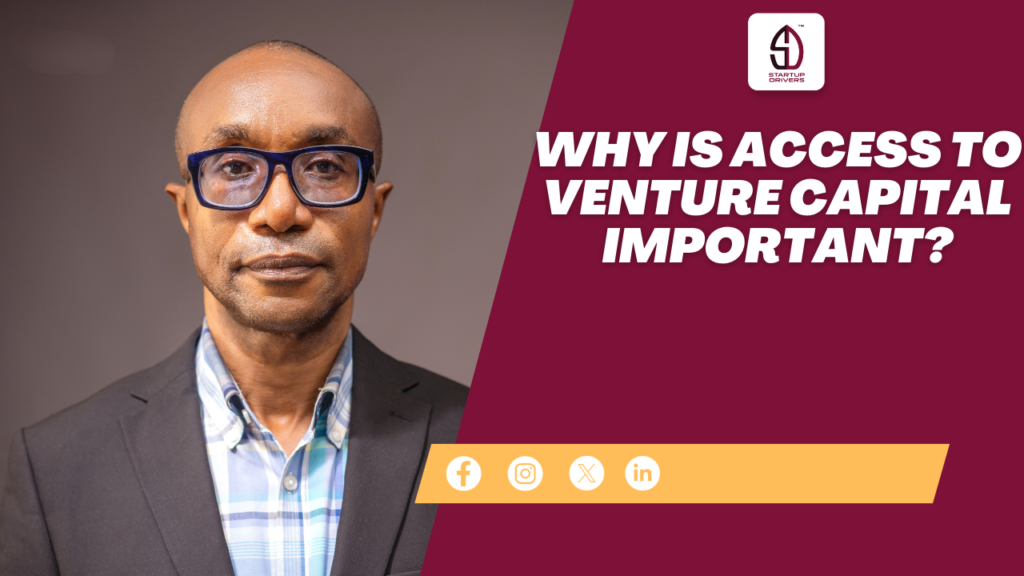
Startup investing is often described as a long-term wealth-building strategy rather than a quick way to make money. Unlike traditional investments that may offer regular income or short-term gains, startup investments focus on future growth and value creation. When investors back startups early, they are investing in ideas, teams, and markets that may take years to mature. While the journey requires patience, the rewards can be transformational. Understanding why startup investing works over the long term helps investors set the right expectations and strategies.
1. Value Grows Over Time, Not Overnight
Startups do not become successful instantly. Most early-stage companies spend years building products, acquiring customers, refining their business models, and scaling operations. During this period, the company’s value grows gradually as traction and revenue increase. Investors who stay committed through these stages benefit from this long-term value creation. Unlike short-term trading, startup investing rewards patience and belief in future growth.
2. Compounding Returns From High-Growth Companies
A small number of successful startups often generate the majority of returns in an investment portfolio. When a startup scales significantly, early investors benefit from exponential growth in company valuation. This compounding effect is what makes startup investing powerful for long-term wealth building. Even if some startups fail, a single breakout success can deliver returns that outweigh multiple losses. Over time, this dynamic drives meaningful wealth creation.
3. Ownership in Innovation and New Markets
Startup investing allows individuals to own equity in companies that are shaping the future. These businesses often operate in emerging industries such as fintech, healthtech, climate tech, and digital infrastructure. As these markets expand, early investors participate in long-term economic growth. Ownership, rather than salary or interest income, is what builds lasting wealth. Startup investing shifts individuals from income earners to asset owners.
4. Long Exit Timelines Encourage Discipline
Startup investments typically take five to ten years or more to reach an exit such as an acquisition or IPO. This extended timeline encourages disciplined investing and reduces impulsive decision-making. Investors focus on fundamentals rather than short-term market noise. The extended horizon aligns with wealth-building principles, where consistency and long-term thinking outperform quick wins. This discipline helps investors stay focused on outcomes that truly matter.
5. Portfolio Diversification and Generational Wealth
Startup investing complements traditional assets like stocks, real estate, and bonds. Over time, a diversified startup portfolio can contribute significantly to overall net worth. Successful exits often create opportunities to reinvest and compound wealth further. Many of today’s most successful investors built generational wealth by investing early in high-growth companies. Startup investing supports this long-term wealth transfer mindset.
Conclusion
Startup investing is considered a long-term wealth-building strategy because it focuses on ownership, patience, and compounding growth. It rewards investors who think beyond short-term gains and commit to the future of innovation. While risks exist, informed, diversified startup investing can deliver life-changing outcomes over time. The key is understanding that real wealth is built slowly, strategically, and through ownership of growing assets.
At Startup Drivers, we help individuals build long-term wealth by investing in carefully selected startups alongside experienced angels and venture capital firms. Our platform is designed for investors who believe in patience, innovation, and sustainable growth.
Ready to start building long-term wealth through startup investing?
Call us at: +234 809 987 4275
Email us at: hello@startupdrivers.com